
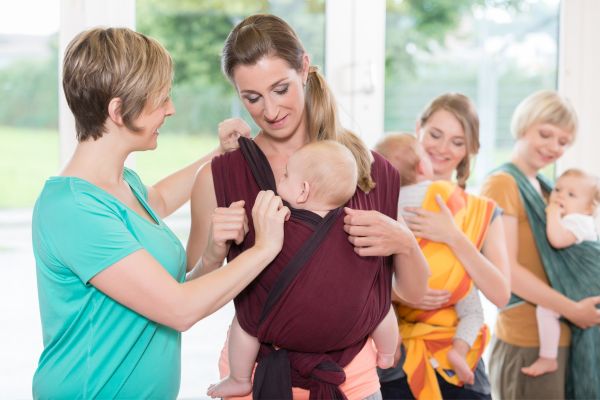
There is something both comforting and intimidating about using a baby wrap for the first time. Many new parents unwrap a long piece of fabric, stare at it for a moment, and quietly wonder how something so simple can possibly hold a tiny human securely. The fabric seems endless, the instructions sometimes feel confusing, and the first attempt rarely looks anything like the calm, effortless images seen online.
But once parents become familiar with the process, baby wraps often become one of the most useful tools in daily life with a newborn. They allow caregivers to keep babies close while still moving through everyday routines. Some parents use wraps during walks, while cooking dinner, calming a fussy baby, or simply trying to survive those long early weeks when infants seem to want constant physical contact.
Learning how to use a baby wrap takes patience at first, but it usually becomes much more natural with practice. The goal is not perfection. It is creating a safe, supportive, and comfortable position for both the baby and the person carrying them.
Understanding Why Baby Wraps Feel So Different
Baby wraps work differently from structured baby carriers. Instead of relying on buckles or stiff frames, wraps use soft fabric wrapped around the body to create support. That flexibility is exactly why many parents find them comfortable once they learn how to use them properly.
The wrap molds to the shape of both the caregiver and the baby. This can create a snug, supportive feeling that often reminds babies of being held in arms. Many newborns respond well to that closeness, especially during the early months when physical contact feels reassuring and familiar.
For parents, wraps distribute weight across the shoulders and torso rather than concentrating pressure in one place. When tied correctly, they can feel surprisingly supportive despite looking lightweight.
Still, wraps can feel awkward at first because they rely on tension and positioning rather than rigid structure. That learning curve is completely normal.
Choosing the Right Environment for Practice
The first attempt at using a baby wrap should happen somewhere calm and low-pressure. Trying to learn while rushing out the door or while the baby is already upset usually creates unnecessary stress.
Many parents find it easier to practice in front of a mirror during quiet moments at home. Some even begin by wrapping the fabric around themselves without the baby first, simply to understand how the material moves and tightens.
It also helps to remember that babies often sense parental tension. If the adult feels frustrated or anxious, the baby may become unsettled too. Slowing down and treating the learning process casually usually makes things easier for everyone involved.
No one becomes comfortable with wrapping techniques instantly. Most experienced babywearing parents had several clumsy attempts in the beginning.
Learning the Basic Front Wrap Carry
The front wrap carry is usually the first position parents learn when figuring out how to use a baby wrap. It works especially well for newborns and younger infants because it keeps them close to the caregiver’s chest.
The wrap normally begins centered against the stomach, with the fabric crossing behind the back and then crossing again in front to create a secure pouch. The baby sits upright inside the crossed fabric panels while the remaining material provides additional support around the body.
The most important part is creating enough tension in the fabric. A loose wrap can allow the baby to slump downward, while a properly tightened wrap keeps the infant high and secure against the chest.
Many babywearing educators use the phrase “close enough to kiss” as a guideline. A baby’s head should sit high enough that the caregiver can easily lower their chin and kiss the top of the baby’s head without straining.
That position supports both safety and comfort.
Understanding Safe Baby Positioning
Safety matters far more than wrapping style or appearance. A baby wrap should always support healthy positioning and allow the baby to breathe comfortably.
The baby’s face should remain visible at all times rather than buried in fabric or pressed tightly against the caregiver’s chest. The chin should not be tucked deeply downward because that can restrict airflow, especially for newborns.
Healthy hip positioning is also important. Babies generally need their knees positioned slightly higher than their bottom in a natural seated shape rather than hanging straight downward.
Parents sometimes worry excessively about whether the wrap looks perfect, but proper positioning matters much more than neat fabric folds or symmetrical wrapping.
Comfort and breathing always come first.
Why Babies Often Calm Down in Wraps
Many parents notice that babies settle more quickly once placed inside a wrap. That reaction is not unusual.
Newborns spend months inside a small, warm environment constantly surrounded by movement and sound. After birth, being held close against a caregiver’s body can recreate some of that familiar sensory experience.
The rhythm of walking, breathing, and body warmth often feels soothing to young infants. Some babies who resist bassinets or swings will fall asleep quickly in a wrap simply because the closeness feels comforting.
Of course, not every baby reacts the same way immediately. Some infants need time to adjust, especially if the caregiver feels tense during the process.
Babies are individuals, and babywearing is something both parent and child learn together over time.
Common Mistakes New Parents Make
One of the most common beginner mistakes involves tying the wrap too loosely. Parents sometimes worry about making the baby uncomfortable and accidentally leave too much slack in the fabric. A properly tightened wrap should feel supportive rather than restrictive.
Another common issue is placing the baby too low on the body. Infants who sit too low may pull uncomfortably on the caregiver’s shoulders and create poor positioning for the baby’s airway.
Twisted fabric sections can also reduce comfort because the wrap distributes weight less evenly. Smoothing the fabric carefully across the shoulders and back often improves support significantly.
Many parents also expect immediate success. In reality, learning how to use a baby wrap is similar to learning any new physical skill. Repetition helps far more than perfectionism.
The Emotional Side of Babywearing
Babywearing is often discussed in practical terms, but there is an emotional layer to it that many parents experience quietly.
The early months with a newborn can feel physically and emotionally overwhelming. Parents are exhausted, routines disappear, and simple tasks suddenly become complicated. A baby wrap does not solve those challenges, but it can make daily life feel slightly more manageable.
For some parents, babywearing creates moments of calm during chaotic days. Walking through a grocery store with both hands free while the baby sleeps peacefully against the chest can feel surprisingly grounding.
There is also something deeply human about carrying babies close. Cultures around the world have practiced forms of babywearing for generations long before modern strollers existed.
That closeness often creates reassurance not only for babies, but for caregivers too.
Adjusting as Babies Grow
As babies grow, wrapping techniques and carrying positions often change. Newborn carries focus heavily on head and neck support, while older babies may prefer positions that allow them to look outward more easily.
Some parents eventually transition from stretchy wraps to woven wraps or structured carriers as the baby becomes heavier. Others continue using wraps well into toddlerhood because they enjoy the flexibility and closeness.
Comfort becomes increasingly important over time. A wrap that feels comfortable for a small newborn may require adjustments once the child gains weight and becomes more active.
The learning process continues evolving alongside the baby itself.
Building Confidence Through Practice
Confidence with babywearing usually develops gradually rather than all at once. Parents often start cautiously, checking the wrap repeatedly or practicing only around the house before venturing outside.
Eventually, the movements become more familiar. The fabric feels less confusing. The baby settles more quickly. What once felt intimidating slowly becomes routine.
Many experienced parents later realize they spent far too much time worrying about whether they were “doing it perfectly.” Babies generally care far less about perfect wrapping technique than adults imagine.
They mostly respond to comfort, closeness, warmth, and security.
That realization tends to make the entire experience feel much more relaxed.
Conclusion
Learning how to use a baby wrap can feel awkward in the beginning, especially for exhausted new parents already adjusting to countless unfamiliar routines. But with patience and practice, wrapping often becomes less about mastering fabric techniques and more about finding a comfortable rhythm between caregiver and child.
Baby wraps offer something simple yet meaningful: closeness. They allow parents to move through daily life while still keeping babies secure and connected. For many families, that physical closeness becomes one of the quiet comforts of early parenthood.
Not every baby will love every wrap instantly, and not every parent will feel confident right away. That is completely normal. Like many parts of parenting, babywearing is usually a process of gradual learning rather than instant expertise.
Over time, what once looked like a confusing length of fabric often becomes something much more familiar — a practical tool, a source of comfort, and sometimes even a small sense of calm during the beautifully exhausting early months of raising a child.