
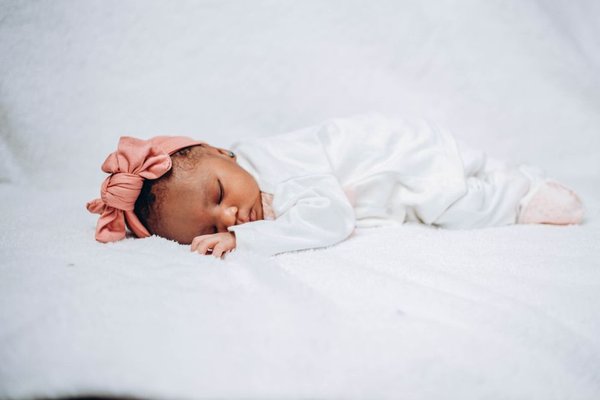
Every parent knows the moment: you swaddle your baby with the precision of a hospital nurse, lay them down gently, and thirty seconds later one arm has punched free and the whole wrap is unraveling. If you’re raising a “Houdini baby” who treats every swaddle as a personal challenge, you’re not doing anything wrong — you just have a baby who’s ready to move on. The good news is that 2026’s sleep sack options have largely solved this problem, replacing multiple swaddle products with a single all-in-one sleep solution designed specifically for babies who fight being wrapped tight.
Instead of buying separate swaddles, transitional swaddles, and then sleep sacks in sequence, many brands now design one wearable blanket system that adjusts as your baby grows and develops the rolling reflex. Below, we break down what actually matters when choosing a sleep sack for a baby who resists swaddling, and how to compare your options without the guesswork.
Why Some Babies Fight the Swaddle
Not every baby finds swaddling soothing. Some babies are simply stronger, more active sleepers, or more sensitive to restriction from very early on. Others start out loving the swaddle and then, around 8 to 12 weeks, begin showing signs of rolling — at which point a tightly wrapped swaddle actually becomes a safety concern rather than a comfort tool. Once a baby can roll partially onto their stomach, arms need to be free so they can push up and reposition themselves.
This is exactly where the swaddle transition becomes necessary, whether your baby is ready for it developmentally or is simply refusing to cooperate with a wrap in the first place.
Signs It’s Time to Transition
A few common signals suggest it’s time to move away from traditional swaddling:
Your baby breaks an arm free within minutes of being wrapped. They seem more agitated in a swaddle than without one. They’re showing early rolling attempts during tummy time. Or they simply fight and cry the moment the swaddle fabric touches their arms. Any of these are reasonable cues to start looking at arms-out sleep sack options instead of continuing to fight the fabric every night.
What Makes a Sleep Sack Work for a Swaddle-Resistant Baby
Not all sleep sacks are created equal, especially for a baby who’s used to fighting restriction. The best options for this specific situation tend to share a few features.
Arms-Out Design
An arms-out sleep sack gives your baby full range of motion for their arms while still keeping the torso and legs cozy and contained. This tends to be the single biggest relief for parents dealing with a Houdini baby, because there’s no fabric left to wriggle out of. The arms are already free, so there’s nothing to escape.
Two-Way Zippers
A bottom-opening zipper makes nighttime diaper changes far less disruptive, which matters more than it sounds like when you’re dealing with a baby who wakes easily. Look for zipper guards too, since snagged fabric at 3am is nobody’s idea of fun.
Wide Hip Room
Because most swaddle-resistant babies are approaching the rolling and early mobility stage, hip room matters. A sleep sack that’s too narrow at the bottom can restrict natural hip movement, which isn’t ideal for developing joints or for a baby who’s trying to shift position in their sleep.
Understanding TOG Rating (So You Don’t Overheat or Underheat Your Baby)
If you’ve shopped for sleep sacks before, you’ve probably seen the term TOG rating and wondered what it actually means. TOG stands for “thermal overall grade,” and it’s essentially a measurement of how much warmth a fabric provides. The higher the TOG rating, the warmer the sack.
As a general guide:
A 0.2 to 0.5 TOG rating suits warm rooms, generally above 75°F (24°C), and is ideal for summer nights. A 1.0 TOG rating works well for room temperatures between roughly 68–74°F (20–23°C), which covers most homes for the majority of the year. A 2.5 TOG rating is designed for cooler rooms, typically 61–67°F (16–19°C), and is a common winter choice.
Getting the TOG rating right matters more than people expect. An overheated baby sleeps more restlessly and is at higher risk of overheating-related sleep disturbances, while an underdressed baby wakes from being cold. If your nursery temperature fluctuates seasonally, it’s worth owning sleep sacks in at least two TOG weights rather than trying to make one work year-round.
Comparing the Main Types of Sleep Sacks
When comparing sleep sack styles for a baby transitioning away from swaddling, most fall into one of three categories.
Transitional Swaddle Sacks
These offer a middle ground — one or both arms can be swaddled while the other stays free, letting you wean gradually rather than switching cold turkey. They work well for babies who are only just starting to resist the full swaddle but aren’t rolling yet.
Standard Arms-Out Sleep Sacks
This is the go-to choice once a baby is actively fighting the swaddle or showing rolling signs. It’s simple, safe, and removes the restriction entirely from the arms while still providing the enclosed, secure feeling around the body that many babies find comforting.
All-In-One Sleep Solutions
This is the newer category driving most of the 2026 market, and it’s designed to replace the entire swaddle-to-sleep-sack wardrobe with a single adjustable product. These typically feature convertible arm openings (so you can go arms-in or arms-out with the same garment), adjustable sizing panels for growth, and swappable TOG-rated inserts or layers. For parents tired of buying three or four separate products as their baby grows, this all-in-one approach is quickly becoming the practical, cost-effective choice.
How to Choose the Right One for Your Baby
Start with your baby’s current stage. If they’re just beginning to resist the swaddle but show no rolling signs, a transitional swaddle sack may buy you a few more weeks of gentle adjustment. If they’re actively rolling or clearly done with restriction altogether, go straight to an arms-out sleep sack. And if you want one product that will carry you through several months without repurchasing, an all-in-one sleep solution is worth the slightly higher upfront cost.
Next, factor in your room’s typical temperature and choose the TOG rating accordingly — this matters more for comfort and safety than the design style itself. Finally, prioritize safety certifications and breathable, OEKO-TEX certified fabrics, especially for babies who tend to overheat or have sensitive skin.
Frequently Asked Questions
What is the best sleep sack for a baby who won’t stay swaddled?
An arms-out sleep sack is generally the best starting point, since it removes the source of the struggle entirely — there’s no fabric around the arms to break free from, while the body still stays warm and secure.
What TOG rating should I use for my baby’s sleep sack?
It depends on your room temperature. As a simple rule, use around 0.5 TOG for warm rooms, 1.0 TOG for typical room temperatures (68–74°F), and 2.5 TOG for cooler rooms (61–67°F). Always check your baby for overheating signs like sweating or flushed cheeks after use.
When should I stop swaddling and switch to a sleep sack?
Most experts recommend transitioning as soon as your baby shows early signs of rolling, usually between 8 and 12 weeks, or sooner if your baby is consistently breaking free from the swaddle on their own.
Are all-in-one sleep sacks worth the extra cost?
For many parents, yes. Rather than purchasing separate transitional swaddles, arms-out sacks, and different TOG-weight sleep sacks as the seasons and stages change, an all-in-one design consolidates that into one adjustable product, often saving money and closet space over the first year.
Ultimately, the “right” sleep sack isn’t about chasing the trendiest product on the market — it’s about matching the design to where your baby actually is developmentally. Whether that’s a transitional swaddle sack, a full arms-out design, or a 2026-style all-in-one solution, the goal is the same: safer sleep, fewer 3am wake-ups, and a baby who finally stops fighting bedtime.