
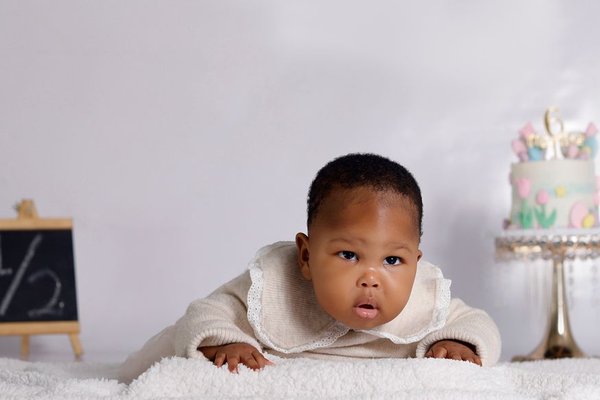
The first year can feel like a blur of sleepy newborn days, changing expressions, and suddenly outgrown outfits. A baby photo calendar gives those moments a place to live in order. Instead of scrolling through hundreds of phone pictures, you turn twelve carefully chosen images into a printed record of how your child changed, month by month.
The trick is to keep it simple. One meaningful photograph, a clear age label, and a short memory are enough. Matching outfits and elaborate photo sessions are optional, not requirements for a keepsake worth opening years later.
Decide What Your Twelve Calendar Pages Will Represent
Before choosing photos, decide whether your calendar will follow your baby’s age or ordinary calendar months. These are different approaches, especially when a baby arrives halfway through a month.
For a baby first year calendar focused on growth, use twelve age-based pages. Month 1 covers birth through the day before the first monthly anniversary; Month 2 covers the next month, and so on. For a working wall calendar, use January through December and show each photo near the date it was taken.
If your baby was born on April 21, the first age-based page covers April 21 through May 20. The second begins May 21. Write the ranges down before sorting photos; it prevents a six-week picture from being mislabeled as a two-month milestone.
Twelve Photo Ideas That Tell a Real First-Year Story
These are prompts, not developmental deadlines. Babies grow at different rates. A photo showing your child’s personality will age better than a picture staged to suggest a milestone that has not happened.
Month 1: The beginning
Choose a newborn portrait, tiny fingers, or a photograph in a parent’s arms. Add the birth date discreetly.
Month 2: A familiar face
Look for an emerging expression or moment of eye contact. A photograph near a window can be especially expressive.
Month 3: Everyday comfort
Capture a favorite blanket, a cuddle, or a familiar resting place. Ordinary scenes often recall home better than posed portraits.
Month 4: The curious observer
Pick a moment when your baby studies a toy or watches someone speak. Let the expression tell the story.
Month 5: A shared moment
Include a sibling, grandparent, or caregiver if that relationship shaped the month. Not every image needs to be a solo portrait.
Month 6: The halfway photograph
Try the same safe setting used for an early portrait. The change in appearance can be striking without props.
Month 7: A favorite activity
Photograph a book, floor play, or an activity your baby enjoys. The setting recalls daily life.
Month 8: A distinctive expression
Choose the giggle, thoughtful stare, or serious face your family recognizes. A candid shot can beat a polished one.
Month 9: A change of scenery
Use a park visit, family gathering, or everyday outing. Keep the baby visible against a simple background.
Month 10: Small details
Show a beloved toy, a reaching hand, or an expressive face. A full-body photograph is not necessary.
Month 11: A family favorite
Ask another caregiver which picture they love most. Their choice may reveal a moment you overlooked.
Month 12: Approaching the birthday
Select a recent portrait that completes the sequence. If printing after the birthday, add a birthday image on the back cover.
How to Choose One Strong Photograph for Each Month
Create a digital album for each age range and save three to five candidates in it. Compare the finalists at roughly the same size. Look for a clear subject, a genuine moment, and space to crop without cutting off a face or hand.
Variety matters more than visual perfection. If six pictures show the same blanket, swap some for close-ups, family moments, or candid scenes. A monthly baby photo calendar is more engaging when the framing changes but the timeline stays clear.
Keep original-resolution files rather than screenshots or images from messaging apps, which may be compressed. For inspiration for simple, repeatable setups, explore monthly baby photo ideas before making the final selection.
Make the Printed Calendar Easy to Read
Give the photograph room to breathe
A single large image on each page usually works better than six tiny ones. Choose portrait or landscape orientation to suit most photos. Check the printer’s crop preview, especially around heads and hands, and keep captions clear of the edges.
Use consistent labels
Each page needs an age or month number, photograph date, and perhaps one sentence about that time. For example: “Month 6 — loved listening to Grandpa sing.” That detail turns a milestone photo calendar into a personal record.
A small date grid can sit beneath each image if you want space for appointments or first-year notes. If the calendar is primarily a keepsake, a clean, photo-led layout may be better. A newborn photo checklist and baby milestone photo ideas can help you spot details worth recording.
Proof before ordering
Preview every page at full size. Check chronological order, name spellings, caption dates, and image cropping. Follow the printer’s resolution guidance; an original phone photo may work well, but a heavily cropped version can lose clarity.
A Simple Workflow for Busy Parents
Build your baby memory calendar in short sessions. First, make twelve labeled folders. Save candidates monthly or sort existing photos by their capture dates. Choose one favorite from each folder, write a short caption, and place everything in the same calendar template.
If a month has few pictures, use the best genuine image available. There is no need to recreate a moment later. Keep unused favorites in a digital album so the printed pages remain uncluttered.
Frequently Asked Questions
Should a first-year photo calendar begin with the birth month or January?
Begin with the birth month to document growth across the first year. Choose January through December for a functional annual wall calendar. Label dates clearly either way.
Do I need exactly one picture per month?
One main image per page tells a clear story. A small second photo can mark a special occasion, but avoid crowding every page.
What if I missed a monthly milestone picture?
Use a candid image from that age range. A cuddle, meal, or ordinary playtime scene is more truthful than recreating a milestone later.
When should I print the calendar?
Print after the first birthday for a complete keepsake. If you want to display it during the year, begin with blank future pages and update or reprint afterward.
A Keepsake That Still Feels Like Your Family
The best baby photo calendar first year project is not necessarily the most polished. It preserves the faces, relationships, and routines you might otherwise forget. Keep the timeline accurate, the layout simple, and the captions personal. Twelve thoughtfully chosen photographs can tell a surprisingly complete story.