
Seeing a baby rash with fever can be frightening, especially when spots appear suddenly or spread overnight. Many childhood viruses cause both symptoms, but the rash alone cannot tell you whether an infection is mild or serious. Your baby’s age, breathing, feeding, alertness and the way the spots behave matter just as much as their colour.
A useful first question is not simply “What does this rash look like?” but “How is my baby acting, and what happened first: the fever or the rash?” That timeline can help a clinician identify the cause without overlooking warning signs.
Check Your Baby Before Trying to Name the Rash
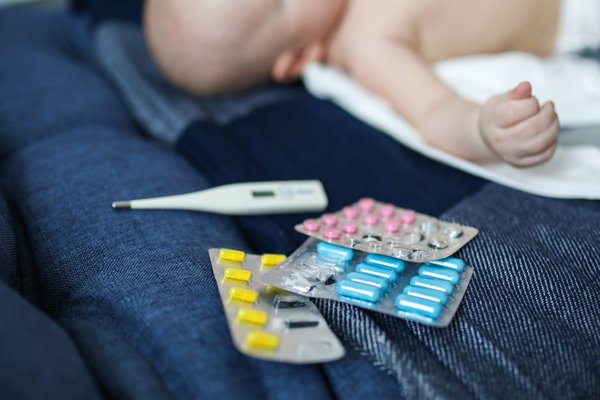
Take your baby’s temperature with a reliable digital thermometer and note when the fever started. A temperature of 38°C (100.4°F) or higher in a baby younger than three months needs urgent medical assessment, even if the rash seems minor. Babies aged three to six months with a temperature of 39°C (102.2°F) or higher also need urgent medical advice.
Look beyond the number. Is your baby waking normally, making eye contact, feeding and producing wet nappies? Or are they unusually floppy, difficult to wake, struggling to breathe or refusing feeds? Serious illness can develop before a distinctive rash appears.
Do the Spots Fade When Pressed?
Most ordinary pink or red viral rashes fade briefly when pressed. Tiny red, purple or brown pinpoint marks that do not fade may be petechiae, small areas of bleeding beneath the skin. Larger bruise-like areas are called purpura. On darker skin, check areas such as the palms, soles and inside the mouth.
Pressing a clear glass against the rash may show whether spots fade. If they do not fade, especially with fever, seek emergency medical care immediately. A fading rash does not rule out serious infection. Never delay help to perform the glass test if your baby looks very unwell.
Common Reasons Babies Develop Fever and a Rash
Roseola: A Rash After the Fever Breaks
Roseola is a common viral illness in babies and toddlers. Typically, a high fever lasts three to five days, then improves just as a fine pink rash appears on the chest, tummy or back. The rash may spread to the neck or arms. Many children seem brighter once the spots emerge.
This order of events is a clue, not a diagnosis. A baby with a new rash who still has a high fever, seems ill or has unusual symptoms needs assessment rather than an automatic label of roseola.
Other Viral Rashes
Several viruses can cause a widespread, slightly raised or blotchy rash during a fever, sometimes with a runny nose, cough or diarrhoea. A viral rash in a baby often affects both sides of the body and fades as the infection resolves. Some rashes are subtle on darker skin tones. Tell your baby’s clinician about new medicines, vaccinations or contact with someone who has been ill.
Hand, Foot and Mouth Disease
This infection can begin with fever and reduced appetite. Painful mouth sores and small spots or blisters may appear on the hands, feet, around the mouth or in the nappy area. For babies, dehydration is a particular concern because swallowing hurts.
Offer frequent breastfeeds or formula feeds and seek medical advice if your baby is drinking poorly or having fewer wet nappies. Not every blistering rash is hand, foot and mouth disease.
Measles and Other Illnesses Needing Assessment
Measles often starts with fever, cough, a runny nose and red, watery eyes. Its rash usually begins on the face before spreading down the body. If measles is possible, call a healthcare service before arriving so staff can prevent exposure to others. Babies are vulnerable to complications.
Scarlet fever may produce a rough, sandpaper-like rash alongside fever and a sore throat. It is less common in very young children but requires evaluation and antibiotics when diagnosed. Fever lasting five days or more with rash, red eyes, cracked lips or swollen hands and feet needs prompt assessment for Kawasaki disease.
Rash Emergency Signs Parents Should Never Ignore
Call emergency services or go to an emergency department immediately if your baby has fever and a non-fading rash, breathing difficulty, blue or grey lips, a seizure, marked unresponsiveness or a stiff neck. Rapidly spreading purple patches, severe pain or a baby who seems seriously ill are equally urgent.
Seek urgent same-day advice for fever with rash in a young infant, poor feeding, dehydration, unusual drowsiness, worsening symptoms, large blisters or sores involving the mouth or eyes. Trust a concerning change in behaviour even when the spots look harmless.
For example, your eight-month-old had a fever yesterday and develops pink spots on their torso today. If the fever has settled and they are alert and feeding, roseola may fit. But if the same baby is hard to wake or has purple spots that do not fade, it is an emergency. The child’s condition changes the decision.
What You Can Do While Arranging Advice
Record the temperature, when symptoms began and whether the rash appeared before, during or after the fever. Take a clear photograph in natural light to show how the skin has changed. Check feeds and wet nappies rather than focusing only on spots.
Continue breast milk or formula, avoid overdressing and let your baby rest. Ask a healthcare professional about age-appropriate fever medicine and dosing; do not give aspirin. Never use medication to postpone urgent assessment. For more guidance, see topics such as baby fever by age, dehydration signs in babies and common baby skin rashes.
Keep your baby away from group settings while feverish and follow medical advice about contagious illnesses. If you suspect measles, telephone ahead instead of sitting in a shared waiting room.
Frequently Asked Questions
Is a rash with fever always caused by a virus?
No. Viruses are common causes, but bacterial infections, inflammatory conditions and medication reactions can also cause skin changes. A clinician may need to examine your baby to distinguish them.
Can a baby have petechiae without a serious infection?
Yes, pinpoint spots can sometimes follow intense coughing or vomiting, but petechiae in a baby with fever need urgent medical assessment. Do not try to determine the cause from pictures alone.
Does a rash that fades under pressure mean my baby is safe?
Not necessarily. Blanching can be reassuring about the spots themselves, but it does not exclude serious illness. Breathing, alertness, hydration and age remain essential checks.
When should I contact a doctor if my baby seems comfortable?
Contact a clinician promptly whenever a baby has fever with a new rash, particularly if the cause is unclear. Under three months, a temperature of 38°C or more is urgent regardless of comfort. Return for advice if fever persists, returns or the rash changes.
The Main Thing to Remember
A baby rash with fever is often linked to a common infection, but no photograph or pattern can make the diagnosis. Watch the sequence of symptoms, check how your baby behaves and act immediately on non-fading spots or signs of serious illness. When in doubt, getting your baby assessed is safer than waiting for the rash to reveal its cause.