
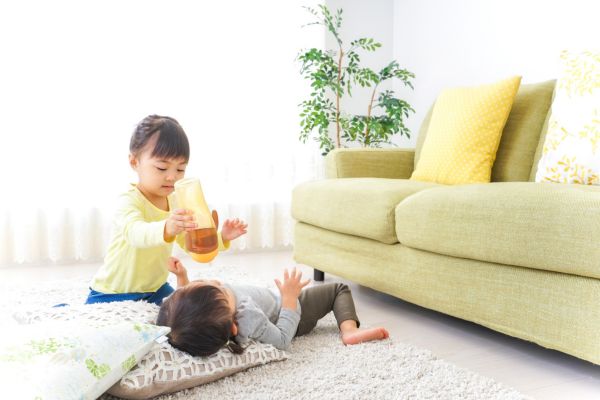
Introducing a new sibling to a toddler can feel exciting, emotional, and honestly… a little scary. One day, your toddler is the center of your world. The next, there’s a tiny human who suddenly needs your attention around the clock. Let’s be real, that’s a big shift for anyone, especially a toddler who doesn’t fully understand what’s happening yet.
If you’re feeling nervous about how your child will react, you’re not alone. Most parents worry about jealousy, tantrums, or emotional regression. The good news? With patience, honesty, and a bit of preparation, introducing a new sibling to a toddler can be a bonding experience rather than a stressful one. The thing is, it’s not about doing everything perfectly. It’s about being present, flexible, and kind to everyone involved, including yourself.
Understanding What Your Toddler Is Really Feeling
Before diving into strategies, it helps to step back and think about your toddler’s perspective. Toddlers thrive on routine, predictability, and attention. A new sibling disrupts all three. Even if they seemed excited during pregnancy, the reality of sharing you can feel overwhelming once the baby arrives.
Introducing a new sibling to a toddler often brings out emotions they don’t know how to express. You might see clinginess, sudden independence, extra meltdowns, or even regression like wanting a bottle again. None of this means you’ve done something wrong. It simply means your toddler is trying to adjust to a massive change in their world.
Acknowledging those feelings matters more than fixing them. When your toddler feels seen and heard, they’re more likely to adapt in a healthy way over time.
Talking About the Baby Before They Arrive
Preparation plays a huge role in introducing a new sibling to a toddler. Conversations don’t need to be long or complicated. Simple, honest explanations work best. You can talk about how a baby will live with your family, cry a lot, and need help with everything. No sugarcoating. Toddlers are surprisingly perceptive.
Using everyday moments helps too. When you see a baby at the park or in a book, casually mention how your family will soon have a baby like that. Keep expectations realistic. Saying things like, “The baby will need mommy and daddy a lot at first, but we still love you just as much,” can go a long way.
The goal isn’t to make your toddler instantly thrilled. It’s to make the idea familiar so it doesn’t feel like a shock later.
The First Meeting Matters More Than You Think
The first introduction sets the emotional tone, even if your toddler doesn’t remember it clearly later. Introducing a new sibling to a toddler works best when your older child doesn’t feel pushed aside in that moment. If possible, greet your toddler first before introducing the baby. That simple gesture sends a powerful message: you still matter.
Keep the first interaction calm and pressure-free. Some toddlers want to touch the baby right away. Others prefer to observe from a distance. Both reactions are normal. Let them move at their own pace.
And here’s something many parents overlook. Don’t force affection. Saying, “Give your baby brother a hug” might seem sweet, but it can create resentment. Let affection grow naturally.
Navigating Jealousy Without Guilt or Panic
Jealousy is one of the most talked-about fears when introducing a new sibling to a toddler. And yes, it happens. But jealousy doesn’t mean your toddler dislikes the baby. It means they’re afraid of losing their place in your life.
When jealousy shows up, try not to shut it down with phrases like, “You should love your sister” or “Don’t be mean.” Instead, acknowledge the feeling. Saying something like, “It’s hard when the baby needs me so much, huh?” helps your toddler feel understood.
Oddly enough, naming the emotion often reduces the behavior. Toddlers don’t want lectures. They want validation. Once they feel emotionally safe, they’re more open to connection.
Making One-on-One Time Non-Negotiable
One of the most effective ways of introducing a new sibling to a toddler smoothly is protecting special time together. It doesn’t need to be hours long. Even ten uninterrupted minutes can make a huge difference.
The key is consistency. When your toddler knows they’ll still get moments that are just theirs, the fear of being replaced fades. You don’t need fancy activities either. Reading a book, sitting together, or talking about their day works just fine.
What matters most is presence. Phone down. Baby safely settled. Eyes on your toddler. That connection builds trust during a time of change.
Involving Your Toddler Without Creating Pressure
Inclusion can be empowering, but there’s a fine line. Introducing a new sibling to a toddler doesn’t mean turning your older child into a helper full-time. Asking them to grab a diaper or sing to the baby is great. Expecting responsibility isn’t.
Let involvement be optional and positive. Praise effort, not obligation. “The baby likes your singing” feels encouraging. “You need to help more” feels heavy.
When toddlers feel helpful by choice, not force, they’re more likely to see the baby as part of their world rather than competition.
Handling Tough Moments With Patience
Let’s be honest. Some days will be rough. Your toddler might act out exactly when you’re exhausted and holding a crying baby. In those moments, grace matters more than strategy.
Introducing a new sibling to a toddler isn’t a one-day event. It’s an ongoing adjustment. There will be setbacks. There will be moments when you wonder if you’re doing enough. That’s normal.
When emotions run high, focus on safety first. Stay calm. Redirect gently. Repair afterward. Saying sorry to your toddler when you lose patience teaches emotional intelligence, not weakness.
Watching the Bond Slowly Grow
The beautiful thing is, bonds often grow when you least expect them. One day, your toddler might bring a toy to the baby. Another day, they’ll make them laugh. These moments are small but powerful.
Introducing a new sibling to a toddler takes time, but shared routines, familiar voices, and everyday moments slowly create connection. Don’t rush it. Comparison kills joy here. Every sibling relationship develops at its own pace.
When to Seek Extra Support
Sometimes, despite your best efforts, the transition feels especially hard. If your toddler shows prolonged distress, aggression, or withdrawal, it’s okay to ask for help. Talking to a pediatrician or child therapist doesn’t mean you’ve failed. It means you’re paying attention.
Support can offer reassurance and tools tailored to your child’s temperament. And honestly, sometimes parents need validation too.
Bringing It All Together
Introducing a new sibling to a toddler is one of the biggest emotional shifts a young child experiences. It’s messy, unpredictable, and deeply human. There’s no perfect script, no universal timeline, and no flawless approach. And that’s okay.
What truly matters is showing up with empathy, consistency, and love. When your toddler feels secure in your connection, they’re far more capable of accepting a new sibling into their world. So take a breath. Trust yourself. You’re doing better than you think, and this new chapter, challenges and all, will eventually settle into something beautiful.