
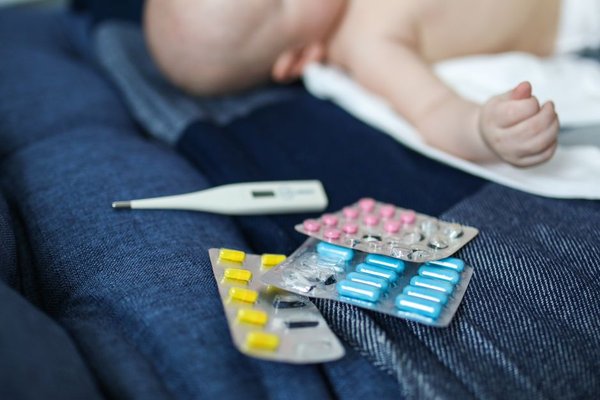
A crawling baby sees the home differently from an adult. A tablet under the sofa, an open cleaner or a colourful detergent pod may look like something worth exploring. Poison prevention for babies is about finding these less obvious dangers before curious hands do, not just preventing falls and choking.
The most reliable rule is to store potentially harmful products in their original containers, locked away, out of sight and out of reach. Just as important is returning them to that safe place immediately after use.
Look at Every Room From Your Baby’s Level
Crouch near the floor and check beneath furniture, inside low cupboards and beside beds. Look for dropped pills, bottles in changing bags and products left on tables. Babies develop new reaching and climbing skills quickly, so secure hazards before crawling starts.
Prioritise medicines, cleaning chemicals, detergents, batteries and nicotine. A room-by-room babyproofing checklist can also help reveal hazards in rooms adults rarely associate with poisoning.
Lock Away All Medicines and Supplements
Medicine safety for babies covers prescription drugs, over-the-counter pain relievers, vitamins, supplements and medicated creams. Some adult medicines can cause severe poisoning even in small amounts. Do not leave tablets on nightstands, in handbags or in easy-open pill organisers.
Keep medicines in their labelled packaging inside a high, locked cabinet. Child-resistant caps are helpful but not childproof. Discard unused medicines through an appropriate pharmacy or local disposal programme rather than leaving them around.
Before giving a baby medicine, check the label, correct dose and instructions. Use the supplied or recommended measuring device, never a kitchen spoon. Do not call medicine candy. When caregivers share responsibilities, track doses to prevent accidental repeat dosing.
Childproof Cleaners in the Kitchen and Bathroom
Household chemical safety includes bleach, disinfectant sprays, toilet cleaner, drain opener and dishwasher products. The cupboard under the kitchen sink is a common storage spot, but it is also easy for a curious child to reach.
Use reliable locks and, where possible, store these items higher up. Keep every product in its original labelled container. Never transfer chemicals into drinks bottles or combine cleaning products, because some mixtures release dangerous fumes.
Picture cleaning the bathroom with your baby nearby. You place a spray bottle on the floor while reaching for a cloth. In that moment, the bottle becomes accessible. A safer routine is to keep your baby outside the cleaning area, close the bottle between uses and lock it away as soon as the task is finished.
Be Especially Careful With Laundry Pods
Concentrated detergent packets can cause serious harm if their contents enter a baby’s mouth or eyes. Their appearance and texture can attract children. Store packets in their original sealed packaging inside a locked cupboard, never loose in a washing basket or on an appliance.
Consider using traditional liquid or powder detergent instead of pods while young children live in or visit your home. Dishwasher tablets need the same precautions. Clean spills promptly and never let babies play with product packaging.
Check Button Batteries and Electronics
Button and coin batteries are particularly dangerous. A swallowed battery can lodge in the food pipe and cause severe burns rapidly, sometimes before symptoms become obvious. Suspected swallowing is an emergency that requires immediate hospital assessment.
Inspect remotes, key fobs, musical books, electronic toys and greeting cards. Battery compartments should be securely fastened, preferably with screws or child-resistant closures. Lock up spare and used batteries and look for any that go missing.
Secure Cosmetics, Toiletries and Personal Products
Perfume, nail polish remover, mouthwash, essential oils, hand sanitiser and certain skincare products can also be harmful if swallowed. Store them away from your baby’s reach instead of leaving them on bathroom counters.
Remember visitors’ belongings. A grandparent’s handbag may contain pills; an overnight guest’s toiletry bag may contain tempting bottles. Ask visitors to keep these items in a locked or otherwise inaccessible place. Natural ingredients do not guarantee that a product is safe to ingest.
Remember Alcohol, Nicotine and Garage Chemicals
Keep alcoholic drinks, cigarettes, vaping liquids and nicotine pouches away from children. Liquid nicotine can cause life-threatening poisoning in small amounts. Put unfinished drinks away after gatherings and keep all nicotine products locked up.
Garages and utility spaces may contain antifreeze, petrol, pesticides, paint thinner and other toxic products. Store them locked in their original labelled containers. Keep babies out of these areas during use and never reuse food or drink containers for chemicals.
Check Plants and Less Visible Poisoning Risks
Identify houseplants and garden plants; some are toxic when chewed. Move potentially harmful plants out of reach or remove them. In older buildings, deteriorating lead-based paint and dust may also require professional assessment. Avoid disturbing suspected lead paint yourself.
Carbon monoxide is another risk that cannot be seen or smelled. Maintain fuel-burning appliances, ensure suitable ventilation and install working carbon monoxide alarms according to local guidance.
Make Safe Storage a Daily Habit
Locks help only when everyone uses them consistently. Give hazardous products permanent storage locations, close bottles after use and check floors after visitors leave. Review your safety measures when your baby begins standing or climbing.
Explain the same routine to relatives and babysitters. Keep a safe medicine storage guide and local emergency contact details available to adults. Review choking hazards at home separately, since some small objects, especially button batteries, create more than one type of danger.
What to Do if You Suspect Poisoning
Act promptly, even if your baby appears well. Remove the substance from reach, identify the product if possible and contact a poison information service for instructions. In the United States, Poison Control is available on 1-800-222-1222. In other countries, contact the appropriate local service.
Do not induce vomiting or give home remedies. If your baby collapses, has a seizure or struggles to breathe, call emergency services immediately. If a button battery may have been swallowed, go to an emergency department immediately rather than waiting for symptoms.
Frequently Asked Questions
Are child-resistant medicine caps enough?
No. They make containers harder to open but cannot replace locked storage that is out of sight and reach.
Can cleaners stay under the sink if the cupboard is locked?
A reliable lock helps, but higher locked storage offers another layer of protection. Never leave bottles unattended while using them.
What if my baby bites a laundry detergent pod?
Remove the product and seek immediate advice from a poison information service. Do not make your baby vomit. Call emergency services for serious symptoms.
Should I wait for signs of trouble after a possible button battery swallowing?
No. Seek emergency medical care immediately because serious injury can develop before symptoms appear.
A Safer Home Starts With Consistent Choices
Poison prevention for babies means securing medicines, cleaners, batteries and overlooked household products before an accident happens. Check the home at your baby’s level, lock away hazards after every use and make sure every caregiver knows how to respond. Those everyday routines provide protection that lasts as your baby grows more mobile.