
Creating a nursery in a flat can feel like a puzzle: the cot needs a safe position, nappies need somewhere to live, and every new item seems to demand more floor space. The good news is that a comfortable baby zone does not depend on having a separate room. The best small nursery ideas for apartments focus on clear priorities, flexible furniture and storage that works vertically. With a thoughtful plan, even a bedroom corner can become calm, practical and welcoming.
Start With the Safest Sleep Space
Before choosing colours or baskets, decide where your baby will sleep. NHS safer-sleep guidance recommends that babies sleep in their own cot or Moses basket in the same room as a parent or carer for at least the first six months, during daytime and nighttime sleep. For many apartment families, a nursery in a shared room is therefore both practical and appropriate for the early months.
Use a firm, flat, waterproof mattress that fits correctly, and place your baby on their back for every sleep. Keep the cot clear of pillows, duvets, cot bumpers, soft toys, loose bedding and sleep-positioning products. A small space nursery can still look attractive; add colour, artwork and texture elsewhere rather than decorating inside the cot.
Position the cot away from radiators, portable heaters, direct sunlight, windows and blind cords. UK product-safety guidance warns that looped blind cords can be dangerous to young children, so secure them with an appropriate safety device and keep climbable furniture away from windows.
Measure Before Buying Furniture
Compact rooms punish impulse purchases. Measure the available wall width, floor depth, door swing and walking route before ordering anything. Mark the outline of a cot or dresser on the floor with removable tape. This shows whether drawers will open and whether you can still move comfortably while carrying your baby.
Think in three simple zones: sleep, changing and feeding or settling. These functions can overlap. A chest of drawers can double as a changing station, while a supportive chair already in the bedroom or lounge can become the feeding spot.
Choose Compact Nursery Furniture That Does More
The strongest apartment nursery choices earn their footprint. A mini cot may suit a tight bedroom, but check the manufacturer’s age, weight and size limits. A cot bed takes more room initially but may convert for toddler use, reducing the need for replacement furniture.
Instead of buying a dedicated changing table, place a securely positioned changing mat on a sturdy, suitable-height dresser. Keep supplies within adult reach, but never leave a baby unattended on a raised surface. As your baby becomes more mobile, changing on a mat on the floor may be the simplest space-saving option.
Look for compact nursery furniture with enclosed storage, adjustable shelves or removable parts. Avoid bulky decorative frames that add width without function. Follow installation instructions for wall-mounted or tall storage, and secure furniture where required as your child begins pulling up or climbing.
Use Vertical Storage Without Creating Clutter
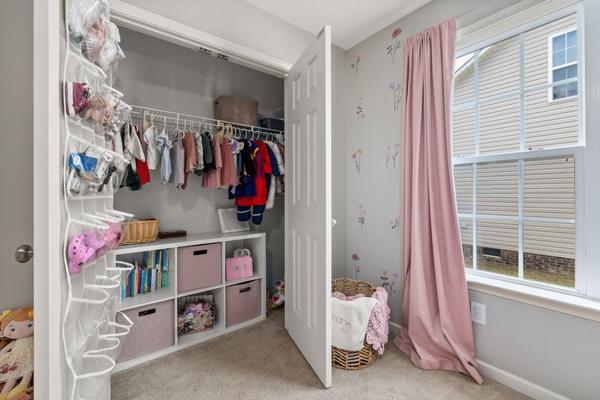
When floor space is limited, use the walls carefully. Shallow shelves can hold items adults need to reach, while heavy or breakable objects should stay well away from the cot. Over-door organisers can store lightweight supplies, and slim wall pockets can replace a full bookcase.
Inside wardrobes, add a second hanging rail because baby clothes are short. Use labelled boxes on upper shelves for the next clothing size and keep current essentials at waist height. Under-cot storage can hold spare sheets or out-of-season clothes if it does not interfere with the cot’s structure or manufacturer instructions.
Closed storage often makes an apartment nursery feel calmer than many open baskets. Leave some space empty too; a room packed to capacity becomes harder to use once gifts, toys and larger clothes arrive.
Create a Nursery in a Shared Room
A nursery in a shared room benefits from subtle boundaries. A washable rug can define the baby area, while a change in wall colour or a removable mural can add identity without using floor space. In a rented apartment, secure removable decorations carefully and keep them away from the cot.
Lighting can separate functions. Use brighter general light for changing and tidying, then a softer lamp for feeds and bedtime routines. Secure cables out of reach. Blackout blinds or curtains may help control light, but cords, chains and fabric must not be reachable from the cot or nearby furniture.
Protect the adult side of the room as well. A shared bedroom works better when baby supplies stay in one defined area. A small caddy can carry feeding or changing essentials around the apartment during the day and return to its place at night.
Keep the Layout Flexible
The ideal apartment nursery at three months may not work at nine months. Review the setup when your baby begins rolling, sitting, crawling or pulling to stand. Lower the cot mattress according to the manufacturer’s instructions, move reachable objects and reassess cords, sockets, furniture and sharp corners.
Use a regular edit-and-rotate system. Keep only the current clothing size accessible, offer a small selection of age-appropriate toys and move outgrown equipment out promptly. This prevents a compact nursery from becoming storage for every stage of babyhood.
Make the Room Feel Larger
A consistent palette creates more visual space than many unrelated colours. Use one or two patterns through a rug, curtains or artwork rather than adding a different theme to every surface. Furniture with visible floor beneath it can also make the layout feel lighter.
Mirrors can reflect light, but they must be securely fixed and positioned where they cannot fall or be struck. Most importantly, keep the main walking route clear for nighttime feeds and changes.
Frequently Asked Questions
Can a baby have a nursery in the parents’ bedroom?
Yes. NHS guidance recommends a separate cot or Moses basket in the same room as a parent or carer for at least the first six months. Create a defined baby zone while following safer-sleep advice.
What furniture is essential for a small apartment nursery?
You need a safe sleep space, storage for clothing and supplies, and a practical changing area. A separate wardrobe, changing table and nursery chair are optional if existing furniture can safely perform those jobs.
Is a mini cot better for a small space nursery?
A mini cot can save floor space, but its useful lifespan may be shorter. Compare its dimensions, safety information and growth limits with a standard cot or convertible cot bed.
How can I store baby items without crowding the room?
Use vertical storage, wardrobe organisers, closed boxes and under-cot space where permitted. Keep current-size clothes and frequently used supplies nearby, then rotate items as your baby grows.
A Small Nursery Can Work Beautifully
The most successful small nursery ideas for apartments are not about squeezing in miniature versions of everything. They are about choosing a safe sleep space, reducing duplicate furniture and giving every essential a clear home. Plan for your baby’s current stage, leave room for change and prioritise easy movement over decoration. A compact nursery that supports sleep, feeding, changing and tidying will feel far more comfortable than a larger room filled with items you rarely use.