
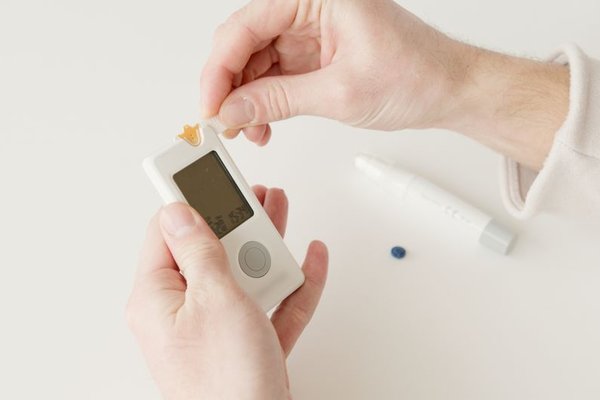
The glucose screening test is one of those pregnancy appointments that attracts plenty of stories. You may have heard about the very sweet drink, the timed blood draw, or someone who “failed” the first test and then passed the next one. In practice, it is a routine way to see how your body is handling glucose during pregnancy and whether you may need further testing for gestational diabetes.
Most people are screened between 24 and 28 weeks of pregnancy. If you have certain risk factors, your clinician may recommend earlier testing. Knowing what the test checks, how the appointment works, and what an elevated result means can make the process feel much more manageable.
What the glucose screening test checks for
During pregnancy, hormones produced by the placenta can make the body less responsive to insulin. Insulin helps move glucose from the bloodstream into cells for energy. When the body cannot make enough extra insulin to keep up with pregnancy-related insulin resistance, blood glucose can rise and gestational diabetes can develop.
In the common two-step testing approach, the glucose screening test does not diagnose gestational diabetes by itself. It identifies people whose blood glucose is high enough after a glucose drink that a longer diagnostic test may be needed. An elevated screening result is therefore not the same as a diagnosis.
What happens during the one hour glucose test
For the common glucose challenge test, you drink a measured solution containing 50 grams of glucose. Your blood is drawn one hour later. The timing matters, so clinics usually tell you exactly when to finish the drink and when the blood sample will be taken.
The one hour glucose test is generally performed without fasting, although individual clinics may give specific instructions about eating or drinking beforehand. Follow your maternity team’s directions rather than relying on someone else’s experience, because local protocols can differ.
A useful tip is to plan around the waiting period. Bring something quiet to do and avoid leaving unless staff say it is fine. If sweet drinks make you nauseated, tell the staff before you begin. Some people tolerate the drink better when chilled, although preparation varies by clinic.
When gestational diabetes screening is usually offered
Gestational diabetes screening is commonly carried out at 24 to 28 weeks because pregnancy-related insulin resistance becomes more pronounced as pregnancy progresses. Earlier testing may be considered when there is a higher chance of previously unrecognized diabetes or abnormal glucose metabolism, such as a history of gestational diabetes or other clinical risk factors.
If early testing is normal, your clinician may still recommend the usual glucose test in pregnancy later in the second trimester. An early normal result does not necessarily replace standard screening at 24 to 28 weeks.
What your result means
Laboratories and maternity practices do not all use the same cutoff for the one-hour screen. In the two-step approach, commonly used thresholds include 130, 135, or 140 mg/dL, approximately 7.2, 7.5, or 7.8 mmol/L. Your clinic’s cutoff is the one that matters when interpreting your result.
If your level is below your provider’s threshold, you will usually not need further testing at that time. If it is at or above the cutoff, you may be asked to take an oral glucose tolerance test. A positive screen means “check more closely,” not “you definitely have gestational diabetes.”
For example, if your clinic uses 140 mg/dL and your result is 145 mg/dL, that would normally trigger the next diagnostic step. It would not by itself confirm gestational diabetes. The follow-up test gives a fuller picture of how your body processes glucose over several hours.
What happens if you need the longer test
In the common U.S. two-step approach, the follow-up is a fasting 100-gram oral glucose tolerance test with blood samples taken while fasting and then at one, two, and three hours after the drink. Diagnostic criteria depend on the protocol used by your healthcare team.
Some healthcare systems instead use a one-step 75-gram oral glucose tolerance test after an overnight fast. Because testing pathways vary by country, hospital, and guideline, ask which protocol your maternity service follows rather than comparing numbers from unrelated clinics.
How to prepare without trying to “game” the test
It can be tempting to change your diet dramatically before screening in the hope of getting a lower number. That is not the goal. The test is meant to show how your body is managing glucose during pregnancy so your care team can respond appropriately if treatment is needed.
Unless your provider says otherwise, keep your routine reasonably normal before a nonfasting screen. Do not fast simply because someone online did. For a diagnostic tolerance test that requires fasting, follow the fasting window exactly and ask whether water and regular medicines are allowed.
Why screening matters even if you feel well
Gestational diabetes often causes no obvious symptoms. Screening matters because untreated high blood glucose can raise the chance of pregnancy and birth complications, while identifying and managing gestational diabetes can reduce important risks. Treatment may include glucose monitoring, nutrition changes, suitable physical activity, and medication when needed.
A diagnosis is not a verdict on what you ate or how well you managed pregnancy. Placental hormones, insulin response, genetics, and other factors can all contribute. If treatment is needed, your care team can help you build a practical plan for the rest of pregnancy.
Frequently asked questions
Do I need to fast for the one hour glucose test?
Usually not for the 50-gram glucose challenge screening test. However, clinic instructions vary, so follow the directions provided for your appointment. A longer oral glucose tolerance test often does require fasting.
Does an abnormal screening result mean I have gestational diabetes?
No. In a two-step system, an elevated screening result normally means you need a diagnostic glucose tolerance test. The first test is designed to identify people who need additional evaluation.
Can I drink water during the test?
Policies differ. Many clinics allow limited plain water, but confirm this with your care team, especially if you are taking a fasting diagnostic test.
What if I feel sick after the glucose drink?
Tell clinic staff immediately. Nausea can occur, and vomiting may affect whether the test can be completed or needs to be rescheduled. Staff can advise you on the next step.
Feeling more prepared for your screening
The glucose screening test is easier to face when you know what it can and cannot tell you. For many people, it is a short drink-and-blood-draw appointment. For others, it leads to a longer diagnostic test. Either way, an elevated screening number is information, not a diagnosis by itself.
Follow your clinic’s preparation instructions, ask which cutoff and testing pathway they use, and keep the result in context. The purpose of screening is to identify glucose problems early enough to support a healthier pregnancy with the right monitoring and care.