
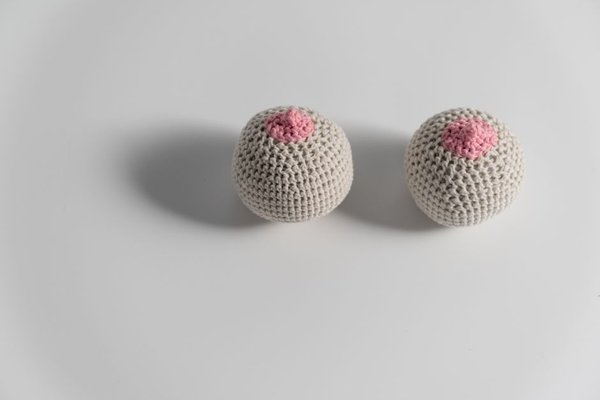
Breastfeeding with inverted nipples can work well, although the first days may require more patience and hands-on support. An inverted nipple sits level with the areola or pulls inward rather than projecting outward. The most useful thing to remember is that a baby does not need to feed from the nipple alone. An effective latch takes a generous mouthful of breast tissue, with the nipple positioned deeper in the mouth.
That means nipple shape is only one part of the feeding picture. Positioning, how widely your baby opens their mouth, milk transfer, comfort, and your baby’s ability to stay attached are often more important than whether the nipple points outward before a feed.
Why inverted nipples can make the first latch harder
A newborn uses touch, smell, rooting, and contact with the breast to find the feeding position. A nipple that does not project much can give the baby less of a physical cue to grasp at first. Some babies adapt immediately, while others slide toward a shallow latch or repeatedly come off the breast.
Inverted nipples may also become more prominent with stimulation, pregnancy changes, feeding, or pumping. For some parents, this makes inverted nipples breastfeeding easier after the first several days. For others, the nipple remains inverted and the baby simply learns to attach deeply to the breast around it.
Set up the breast and baby before trying to latch
A calm start can make a surprisingly big difference. Skin-to-skin contact before feeding encourages natural feeding cues and gives your baby time to root without being hurried. Position your baby’s body close to yours, with the head and body aligned rather than twisted.
If the nipple temporarily comes forward with stimulation, you can gently roll it between your fingers for a few seconds or use brief, comfortable suction from a breast pump immediately before offering the breast. The goal is not to force the nipple outward or cause swelling. Aggressive pulling, pinching, or prolonged suction can make the breast tender and may make attachment harder.
Try positions that give you more control
The cross-cradle hold and football or rugby hold can be useful when you are learning how to achieve a latch with inverted nipples because they let you support the baby’s shoulders and neck while guiding the body toward the breast. A laid-back position can also work well for some families because the baby’s weight stays close to the parent’s body and the baby can use natural rooting movements.
Aim for a deep latch, not a perfect-looking nipple
Bring your baby to the breast rather than leaning the breast toward the baby. Start with the baby’s nose roughly level with the nipple. Allow the head to tip back slightly, wait for a wide-open mouth, then bring the baby in close so the chin reaches the breast first. The mouth should take in breast tissue, not just the nipple.
You can gently shape the breast with your hand, keeping your fingers well back from the areola, to make the breast easier for a small mouth to grasp. Think of compressing a thick sandwich in the same direction as your baby’s lips. Once the baby is attached and sucking effectively, relax the pressure if you can do so without losing the latch.
A good latch should feel like firm pulling rather than sharp pinching. You may hear or see swallowing, the baby’s lips should be turned outward, and the chin should stay close to the breast. If the nipple comes out flattened, creased, or sharply compressed after feeding, the latch may have been too shallow.
A practical example when your baby keeps slipping off
Imagine your baby roots eagerly but attaches for only a few sucks before sliding off. Instead of repeatedly pushing the nipple into the baby’s mouth, pause and reset. Hold your baby skin-to-skin for a minute, use the cross-cradle position, and support the breast with your free hand. Wait for a genuinely wide gape, bring the baby in chin first, and keep the baby’s chest facing you. If the nipple responds to suction, one or two minutes of gentle pumping just before this attempt may make the starting shape easier to grasp.
If your baby still cannot maintain attachment, hand expression or pumping can help protect milk production while you arrange lactation support. Expressed milk may also be used according to advice from your baby’s healthcare team if supplementation is needed.
Where nipple shields may fit
A nipple shield can sometimes help a baby attach when the nipple is flat or inverted, but it is best used with individualized guidance. Fit matters, and milk transfer should be checked rather than assuming the shield is solving the problem. A lactation professional may watch a full feed, assess swallowing, check the baby’s weight pattern, and show you how to use and clean the shield correctly if it is appropriate.
Know when to get feeding help early
Seek prompt breastfeeding or medical support if feeds are consistently painful, nipples are cracked or bleeding, your baby repeatedly clicks or slips off, or you rarely notice swallowing. Also ask for help if your baby is unusually sleepy at feeds, has fewer wet diapers than expected for age, continues losing weight after the early newborn period, develops worsening jaundice, or your healthcare professional is concerned about weight gain.
Early assessment can separate a nipple-shape issue from other causes of feeding difficulty, such as positioning problems, oral restrictions, prematurity, illness, or a weak suck. Personalized lactation support is especially valuable because someone can watch what actually happens during a feed rather than judging the nipple shape alone.
Frequently asked questions
Can I breastfeed if both nipples are inverted?
Yes. Many parents breastfeed successfully with one or both nipples inverted. The key is whether the baby can take a deep mouthful of breast, transfer milk, and grow appropriately.
Should I try to pull inverted nipples out before every feed?
Not necessarily. Gentle stimulation or brief pumping may help some people, but forceful pulling is not needed and can cause soreness. Focus on comfortable techniques that improve attachment.
Does breastfeeding make inverted nipples stay out permanently?
Sometimes nipples become more prominent over time, but not always. Successful feeding does not depend on the nipple permanently changing shape.
When should I see a lactation consultant?
Get help early if your baby cannot stay latched, feeding is painful, milk transfer seems poor, or you are worried about diaper output or weight. Early support can prevent a small latch problem from becoming a supply or nipple-damage problem.
Finding a feeding approach that works for you
Breastfeeding with inverted nipples is less about changing your anatomy and more about helping your baby attach deeply and feed effectively. Use skin-to-skin contact, experiment with positions that give you good control, shape the breast gently when helpful, and judge success by comfort, swallowing, diaper output, and growth. If feeding remains difficult, timely lactation support can provide practical adjustments tailored to your body and your baby’s feeding skills.