
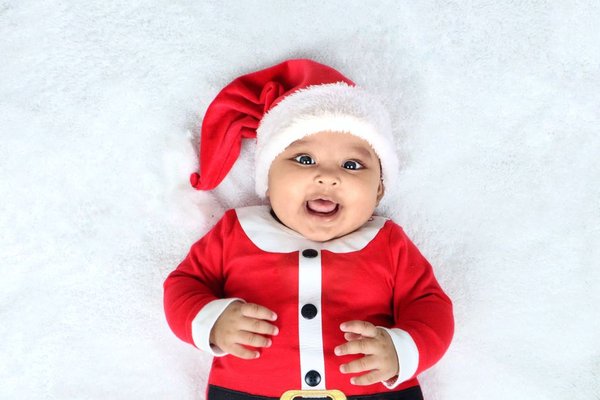
Figuring out how to dress baby for winter can feel like a moving target. An outfit that works in a heated living room may be too light for a windy sidewalk and too warm again inside a store. Rather than relying on one thick outfit, choose comfortable layers you can remove as the surroundings change.
A useful starting point is the one-extra-layer rule: babies often need about one more light layer than a comfortably dressed adult in the same conditions. It is a guide, not a formula. Age, wind, time outdoors, and whether you are carrying your baby all make a difference.
Build Baby Winter Layers from the Skin Out
Think of winter dressing in three parts: a soft base, an insulating middle, and an outer layer for outdoor conditions. You may not need all three indoors. This approach also makes diaper changes easier.
Start with a soft base
A long-sleeved cotton bodysuit or comfortable infant thermal layer works well against the skin. Choose a fit that allows kicking and stretching without bunching around the neck or wrists. Avoid scratchy seams or anything so tight that it leaves marks.
Add warmth without restricting movement
A footed sleepsuit, knit cardigan, or lightweight fleece can provide insulation. If your baby is already wearing thick footed pajamas, another heavy sweater may be unnecessary. Look for accessible snaps or zippers, especially for diaper changes away from home.
Protect against outdoor weather
For walks, add a suitable coat, insulated bunting, or weather-resistant outer layer over regular clothes. Keep it roomy enough for layers underneath, but make sure fabric cannot ride over the nose or mouth. Warmth should never come at the expense of breathing or movement.
Cold Weather Baby Outfits for Real-Life Situations
The most useful way to plan winter baby clothes is to dress for the next activity, not just the season.
Staying at home
In a comfortably heated room, try a long-sleeved bodysuit with soft trousers and socks, or a footed sleepsuit. A sweater may be unnecessary. Check your baby’s chest after a few minutes instead of assuming every indoor winter outfit needs thick layers.
Taking a chilly stroller walk
Start with a bodysuit, add a warm one-piece or trousers and sweater, then use a hat, mittens, booties, and a protective outer layer. A stroller cover may block wind, but it must permit airflow and keep your baby’s face visible. Never seal the stroller under a blanket.
Going from the car to a shop
Imagine a grocery run on a cold morning. Dress your baby in slim layers for the car seat, bring a blanket to place over the buckled harness, and keep a coat for time outdoors. Once inside the warm shop, remove the blanket, hat, and unnecessary outerwear. That quick adjustment helps prevent overheating.
Choose Warm Fabrics That Feel Good
Breathable cotton is practical for a base layer, while fleece and soft knits can provide removable warmth. Some wool blends work well, but irritating fibers should not rub against sensitive skin. Change wet socks, mittens, or clothes promptly; damp fabric can leave a baby uncomfortable.
Choose washable pieces with simple openings over elaborate sets. A small collection of mix-and-match clothes is often more useful. A guide to baby clothing fabrics is a natural next step when comparing materials for different conditions.
Give Hats, Mittens, and Socks Some Attention
Outdoor hats, warm socks, booties, and mittens help cover exposed areas. Choose a hat that fits without sliding over the eyes or face. Skip loose scarves, long ties, and dangling accessories that could become tangled.
Remove the hat when your baby comes indoors or enters a warm vehicle. Hats are for outdoor warmth, not routine indoor sleep. Fold-over sleeves on suitable infant clothing may be easier than separate mittens. Pack dry spare socks for unexpected spills or wet weather.
Keep Puffy Coats Out of the Car Seat Harness
One winter safety rule is especially important: bulky coats and thick snowsuits should not be worn beneath car seat harness straps. In a crash, puffy padding can compress and leave the harness dangerously loose, even if it initially seemed tight.
Use thin, close-fitting layers, buckle the harness snugly following the car seat instructions, and place a blanket or coat over the secured straps if needed. Keep the face uncovered and remove extra coverings as the car warms. Do not put thick padding between the baby and the seat unless the manufacturer specifically allows it.
Check Your Baby’s Temperature During Transitions
Cool hands and feet do not necessarily mean your baby is cold. Feel the chest or back of the neck instead. If the skin feels hot or your baby is sweating, remove a layer. Check again after entering a heated building or moving from stroller to carrier.
A baby held close in a carrier receives some warmth from your body, too. Keep their face visible, chin clear of the chest, and airway unobstructed. If your baby seems unusually drowsy, feeds poorly, or appears seriously cold or unwell, seek prompt medical advice.
Winter Sleep Calls for Different Clothing
An outdoor coat, hat, or snowsuit is not appropriate for indoor sleep. Choose fitted sleepwear and, if needed, a properly sized, non-weighted sleep sack suitable for the room temperature. Follow its manufacturer’s instructions rather than piling on layers automatically.
Place your baby on their back on a firm, flat sleep surface free of loose blankets, pillows, and soft items. Check the chest for overheating. A baby sleepwear guide can explain how daytime outfits differ from safer nighttime clothing.
Make Dressing Easier Before You Leave
Keep an outdoor hat, dry mittens, booties, and an extra light layer by the door. Store spare clothes in the diaper bag, and adjust outfits before and after each stop. A seasonal baby clothing checklist can simplify packing. Babies born prematurely or with medical conditions may need individual guidance from their healthcare professional.
Frequently Asked Questions
How many layers should a baby wear in winter?
Start with approximately one more light layer than an adult needs in the same setting, then check your baby’s chest and adjust. Wind outdoors and indoor heating can require very different outfits.
Can babies wear fleece in winter?
Yes. Soft fleece can be an insulating layer, but it may be too warm indoors. Avoid bulky fleece that prevents a car seat harness from fitting snugly.
Should a baby wear a hat indoors during winter?
Usually not. Remove outdoor hats in warm indoor spaces, and never use a hat for routine indoor sleep because overheating is a concern.
How do I know whether my baby is too cold?
Feel the chest or back of the neck rather than relying only on cool fingers or toes. Add a layer when needed, and contact a healthcare professional if symptoms are concerning.
Warmth Without the Guesswork
To dress baby in cold weather, focus on transitions rather than one perfect outfit. Begin with comfortable layers, protect exposed skin outside, keep car seat straps free of bulky clothing, and remove extras indoors. Small adjustments make winter routines safer and more comfortable.