
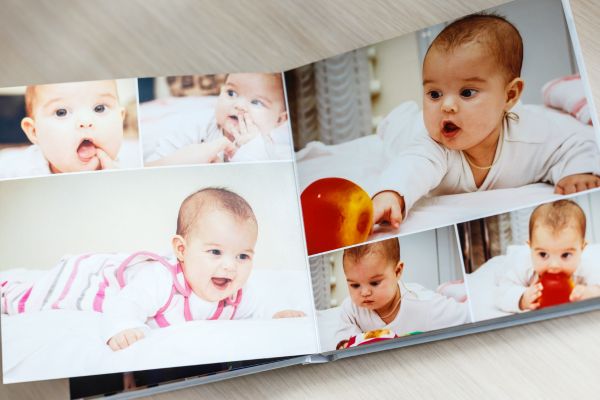
A baby’s first year is filled with moments that seem unforgettable while they are happening. The sleepy newborn stretches, the first real smile, the determined crawl across the floor, the surprised expression after tasting a new food—parents often believe these details will remain perfectly clear forever.
Then time passes. Days blend together, routines change, and some memories become softer around the edges.
A thoughtfully created baby photo book helps preserve more than a collection of attractive pictures. It can capture personality, family life, everyday routines, and the small details that rarely make it into traditional albums. The best creative ideas for baby photo books are not necessarily complicated. They simply help tell a fuller, more personal story.
Begin With the Story Before the Birth
A baby photo book does not have to begin with the first hospital picture. Starting slightly earlier can give the album a stronger sense of narrative.
Parents might include a pregnancy announcement, an ultrasound image, photographs of the nursery being prepared, or a quiet picture taken during the final weeks before birth. A short note about choosing the baby’s name can also become a meaningful opening page.
These early images provide context. They show that the baby’s story began before the family finally met them. Even a photograph of a packed hospital bag or an unfinished crib can bring back surprisingly vivid memories years later.
The opening pages should feel like an introduction rather than a complete pregnancy record. A few carefully chosen photographs and sentences are often enough to create a gentle beginning.
Tell the First Year Month by Month
A chronological layout remains one of the most practical and satisfying creative ideas for baby photo books. Dividing the first year into monthly chapters makes growth easy to see and keeps a large collection of images organised.
Each month can begin with a favourite portrait, followed by smaller photographs showing daily life. Parents might add a short paragraph describing new habits, emerging features, or memorable events from that stage.
The monthly pages do not need to follow an identical design. A newborn chapter may feel calm and minimal, while later pages can become brighter and more energetic as the baby starts moving and exploring.
This structure also makes the photo-selection process less overwhelming. Instead of choosing from an entire year at once, parents can focus on one month at a time.
Include Ordinary Days, Not Just Major Milestones
First smiles, first steps, and first birthdays naturally deserve space, but ordinary moments often become the most emotionally powerful photographs.
A baby asleep against a parent’s shoulder may say more about the newborn period than a perfectly posed portrait. A messy breakfast, a favourite bath toy, or a familiar view from the stroller can immediately bring back the rhythm of family life.
These details may not seem significant at the time. Years later, however, they can reveal what daily life actually felt like. The colour of the high chair, the blanket used for naps, or the way the baby held a bottle may become surprisingly precious.
A baby photo book feels more honest when polished images sit beside spontaneous ones. Real family life is usually a little untidy, and that is part of its charm.
Create Pages Around Personality
Babies begin showing preferences and personality much earlier than many people expect. Some are serious observers. Others smile at everyone. One baby may love music, while another becomes fascinated by ceiling fans, pets, or kitchen cupboards.
Creating pages around these traits gives the book warmth and individuality. A spread titled “Things That Made You Laugh” might include several joyful expressions. Another page could focus on the baby’s favourite toys, sleeping positions, or determined attempts to reach forbidden objects.
Short captions can make these pages especially memorable. Instead of simply writing the date, parents can describe what was happening: “You laughed every time your brother sneezed” or “You carried this wooden spoon everywhere for two weeks.”
These small observations transform the album from a visual timeline into a portrait of an emerging person.
Use Close-Up Photographs of Tiny Details
Wide photographs show the setting, but close-ups preserve the physical details that change almost unnoticed.
Tiny fingers wrapped around an adult’s hand, soft curls at the back of the head, wrinkled newborn feet, milk-drunk eyelashes, and the first small tooth all deserve attention. These images can be arranged together on a dedicated detail page or placed throughout the album as quiet visual pauses.
Close-ups are particularly useful when parents do not have many professionally composed photographs. A simple image of a hand, ear, or sleeping face can be deeply expressive without requiring an elaborate background.
Leaving some white space around these pictures can make the pages feel calm and intimate. Not every spread needs to be crowded with photographs.
Add Family Voices to the Pages
A baby photo book can include more than a parent’s perspective. Notes from siblings, grandparents, or other close relatives can add depth and create a sense of family history.
An older sibling might describe what they first thought of the baby. Grandparents could write a short welcome message or share a family resemblance they noticed. Parents may also include separate letters about their hopes, emotions, or memories of the early months.
These messages do not have to be long. A few honest sentences can carry enormous meaning later.
Family voices are especially valuable because they preserve relationships as they existed at that moment. The book becomes not only a record of the baby’s growth but also a snapshot of the people who surrounded them.
Pair Photographs With Meaningful Words
Captions can be factual, emotional, funny, or reflective. Varying the style keeps the book natural.
Some pages may only need a date and location. Others benefit from a short story explaining why the photograph mattered. A picture of a baby crying in a party outfit, for example, may become much more entertaining when the caption explains that the celebration lasted twelve minutes before a complete change of clothes was required.
Parents can also include favourite nicknames, lullabies, family sayings, or a few lines from a journal. Lists are not necessary; these details can be woven into short paragraphs beside the images.
The goal is not to document every fact. It is to include enough language to help future readers understand the feeling behind the picture.
Build Themes Around Seasons and Celebrations
Seasonal changes provide a natural visual structure, particularly when a baby’s first year crosses several holidays and weather shifts.
A winter chapter might include cosy blankets and quiet indoor mornings. Spring pages could feature walks, gardens, or the first time the baby touched grass. Summer might bring paddling pools, bare feet, and bright evening light.
Holiday photographs can be included without allowing them to dominate the album. A few meaningful images from family gatherings, cultural traditions, or birthday celebrations usually tell the story better than dozens of nearly identical poses.
Seasonal pages also show how the world around the baby changed while the baby was changing too.
Photograph Familiar Places and Objects
People often focus entirely on the baby and forget to document the surroundings. Yet familiar places can carry just as much memory.
The nursery, family home, favourite park, grandparents’ living room, or regular walking route can all become part of the story. Photographs of a well-used changing table, a row of tiny clothes, or the chair where night feeds happened may feel ordinary now but deeply nostalgic later.
Objects can tell stories as well. A favourite stuffed animal, first pair of shoes, hospital bracelet, or handwritten card can be photographed and included in the album.
This approach is useful when certain keepsakes cannot be physically saved. A clear photograph preserves their appearance without requiring families to store every item forever.
Leave Room for Imperfect Photographs
Blurred movement, unusual expressions, food-covered faces, and failed family portraits often capture more life than technically perfect pictures.
One of the most refreshing creative ideas for baby photo books is to include a page dedicated to the outtakes. It might feature the baby crawling away from the camera, pulling off a hat, crying during a milestone session, or staring suspiciously at a birthday cake.
These images introduce humour and honesty. They remind families that the early years were not carefully staged. They were unpredictable, exhausting, funny, and full of movement.
A book containing only flawless portraits can feel distant. A few imperfect moments make it recognisable.
Finish With a Letter for the Future
The final pages offer an opportunity to step back and reflect on the year as a whole. Parents might write a letter describing how the baby changed, what surprised them most, and what they hope the child will understand when reading the book later.
The letter does not need to be overly sentimental. Honest observations are often more powerful. Parents can mention the difficult nights alongside the joyful mornings, the uncertainty of learning new routines, and the strange speed with which the year passed.
Ending with a recent portrait or a first-birthday photograph creates a natural sense of completion. It closes one chapter while quietly suggesting that many more stories are still ahead.
Turning Photographs Into a Lasting Family Story
The most meaningful baby photo books are not always the most elaborate. They succeed because they combine photographs with context, personality, emotion, and everyday detail.
Creative ideas for baby photo books can help parents move beyond a simple sequence of posed images. Monthly chapters show growth, close-ups preserve tiny features, family messages add warmth, and ordinary photographs reveal what life truly looked like.
Years later, the book will not only show how small the baby once was. It will recall the rooms, routines, relationships, laughter, exhaustion, and love that shaped those early days. That fuller story is what turns a photo collection into a family keepsake.