
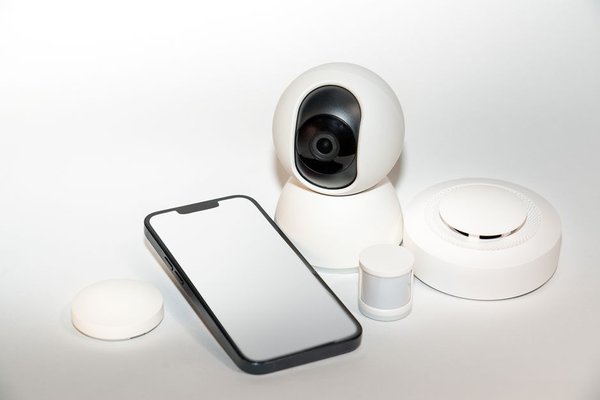
Smart baby monitors have moved far beyond a camera and a basic audio feed. In 2026, leading models combine sharp video, app alerts, sleep data and, in some cases, breathing or wellness tracking. That intelligence can be useful for first-time parents, but it also makes choosing a monitor more complicated.
The easiest way to decide is to ask what you actually want to know at 2 a.m. Do you mainly want a clear view of the cot, help spotting sleep patterns, or live wellness readings? Those priorities quickly separate the strongest options.
Quick comparison: Nanit, Owlet and CuboAi
- Nanit Smart Baby Monitor: best all-round choice for strong video, sleep tracking and an overhead view without an electronic sensor on the baby.
- Owlet Dream Duo 3: best for parents who specifically want pulse-rate and oxygen readings alongside high-resolution video.
- CuboAi Smart Baby Monitor 3: best for AI-driven visual alerts such as face-covering and rollover detection.
All three are Wi-Fi-connected systems built around phone apps. Their biggest differences are what they track, how much useful data sits behind a subscription, and whether you want a wearable as part of the setup.
Nanit Smart Baby Monitor: best balance for most families
Nanit is easy to recommend because its core experience centres on the camera rather than a wearable. The current system offers 1080p HD video, two-way audio, sound and motion alerts, temperature and humidity information, and remote viewing through the Nanit app.
Its strongest feature is the overhead setup. With the wall mount or floor stand positioned above the cot, Nanit can analyse sleep patterns and provide a bird’s-eye view. Optional patterned Breathing Wear lets the camera track breathing motion without electronics attached to the clothing. That makes Nanit appealing if you want a sleep tracking monitor without charging a wearable every day.
The main drawback is long-term cost. Core monitoring works without a paid plan, but more advanced sleep insights, video history and other extras sit within Nanit Insights memberships.
Owlet Dream Duo 3: best for live wellness readings
The Nanit vs Owlet decision becomes simpler once you decide whether live health readings matter to you. Owlet Dream Duo 3 combines the Dream Sight camera with Dream Sock. The camera offers 2K video, night vision, two-way talk, cry, sound and motion alerts, plus room temperature and humidity monitoring. The sock adds live pulse-rate and oxygen readings and sleep trends.
In the United States, Dream Sock has FDA De Novo clearance. That is a meaningful distinction from ordinary consumer wellness wearables, but it does not make the system a substitute for medical care or safe-sleep practices. The American Academy of Pediatrics advises against using home cardiorespiratory monitoring as a strategy to reduce SIDS risk.
Owlet’s core Dream Duo functions do not require a subscription, although an optional plan adds longer video storage and deeper reports. The trade-off is a higher upfront price and the routine of fitting and charging the sock. If you mainly want video and sleep timing, that may be unnecessary. If you specifically want pulse and oxygen information, Owlet is the clearest fit.
CuboAi Smart Baby Monitor 3: best for proactive camera alerts
CuboAi takes a different approach. Its Smart Baby Monitor 3 uses a 2.5K QHD camera and AI features to alert caregivers to events such as crying, coughing, rollover and a covered face. It also provides sleep analysis, video playback and growth-related features through its app.
This suits parents who want the camera itself to do more observational work. A separate under-mattress Sleep Sensor Pad is available for non-contact breathing-motion tracking. The monitor includes a year of CuboAi Care Premium, while some AI and sleep-analysis features require a paid plan afterward; basic functions remain available without continuing the subscription.
Which smart baby monitor is actually worth it?
For most first-time parents, Nanit offers the best middle ground: strong video, mature sleep features and no electronic wearable. Owlet is worth the premium when live pulse and oxygen readings are a deliberate priority. CuboAi is the strongest alternative if proactive visual alerts and sharper 2.5K video appeal more than wearable data.
Consider a real nursery scenario. Your baby has moved into their own room and you mainly want to know when they fell asleep, whether they woke overnight and whether the room is comfortable. Nanit or CuboAi makes more sense than paying for physiological monitoring you did not set out to use. If you specifically want pulse and oxygen readings after discussing concerns with a paediatrician, Owlet becomes more relevant.
Also think about connectivity. A wifi baby monitor is convenient for checking the nursery from another room or away from home, but it depends on your network and app access. Parents who want instant local viewing with minimal internet dependence may prefer a conventional video baby monitor with a dedicated screen.
What to check before you buy
- Total cost: compare hardware plus any subscription you are likely to keep.
- Mounting: some sleep features depend on correct overhead camera placement.
- Privacy: use a unique password, enable two-factor authentication where offered, update firmware and secure your Wi-Fi.
- Daily effort: wearables add charging, fitting and cleaning; camera-only systems are more hands-off.
- Alerts: choose notifications you will actually act on rather than the longest feature list.
Before finishing your registry, it also helps to review baby registry essentials, safe sleep setup for newborns and nursery temperature and sleep so the monitor fits into the wider nursery setup.
Frequently asked questions
Do smart baby monitors work without a subscription?
Usually, yes for basic live monitoring, but advanced features vary. Nanit reserves some sleep and history tools for paid plans, CuboAi includes a year of Premium before some advanced tools become paid, and Owlet Dream Duo 3 provides its core health readings and video features without a required subscription.
Is a smart monitor better than a normal video baby monitor?
It is better if you will use remote viewing, sleep reports or smart alerts. If you only need dependable video and audio inside the home, a simpler dedicated-screen monitor can be cheaper and less dependent on Wi-Fi.
Can a smart baby monitor prevent SIDS?
No. Smart monitoring should not be treated as a way to prevent SIDS or as a replacement for evidence-based safe-sleep practices. Follow current safe-sleep guidance and speak with a healthcare professional about medical concerns.
Which is better, Nanit or Owlet?
Choose Nanit if your priority is camera-based sleep tracking and an overhead cot view. Choose Owlet if you specifically want live pulse-rate and oxygen readings from a wearable sensor alongside video.
The bottom line
The best smart baby monitor in 2026 is not the one that collects the most data; it is the one whose data matches your needs. Nanit is the strongest all-rounder, Owlet Dream Duo 3 is the specialist choice for live wellness readings, and CuboAi Smart Baby Monitor 3 stands out for AI camera alerts and high-resolution video. Decide which information would genuinely change what you do as a parent, then pay for that rather than for features you may never use.