
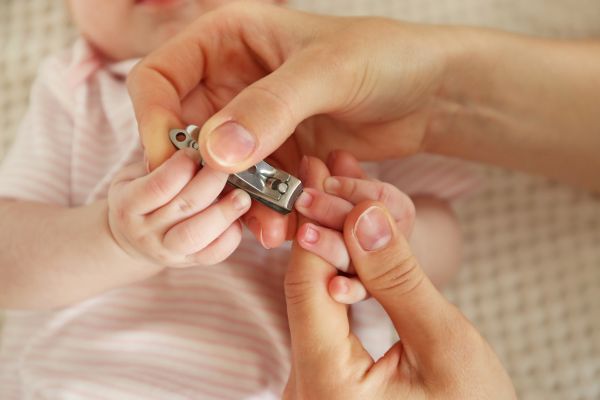
Why Baby Nail Care Feels So Delicate
Trimming a baby’s nails sounds like one of those small parenting tasks that should take only a minute. Then you actually sit down to do it, hold that tiny hand in yours, and suddenly the job feels much bigger. Baby nails are thin, soft, and surprisingly sharp. They grow quickly, too, which means even a newborn can scratch their face before you realize their nails need attention.
That is why choosing the best baby nail clippers matters. It is not only about keeping nails neat. It is about making the whole process calmer, safer, and easier for both baby and parent. A good pair of baby nail clippers should feel steady in your hand, give you enough control, and help you trim without getting too close to the skin.
The right tool will not remove every bit of nervousness, especially in the early weeks, but it can make a noticeable difference. When the clipper fits the job, the task feels less like a risk and more like a simple part of baby care.
What Makes Baby Nail Clippers Different
Baby nail clippers are not just smaller versions of adult clippers. They are designed for tiny fingers, softer nails, and parents who need more visibility while trimming. Adult clippers can be too wide, too sharp, or too difficult to position around a baby’s small nail edge. That is where baby-specific clippers become useful.
The best baby nail clippers usually have a smaller cutting edge, a rounded shape, and a handle that gives better grip. Some come with a slightly curved blade so the trim follows the natural shape of the nail. Others include a magnifier or a light to help parents see more clearly, especially during those early months when baby fingers are unbelievably small.
Comfort also plays a role. A clipper that slips in your hand or feels awkward can make the process stressful. Since babies wiggle, curl their fingers, and pull their hands away without warning, the tool needs to feel secure before you even begin.
Safety Should Come Before Style
It is easy to be drawn to baby care tools that look cute, colorful, or part of a matching grooming set. While there is nothing wrong with a nice design, safety should always come first. A baby nail clipper needs to cut cleanly without requiring too much pressure. If the blade is dull, it can bend or tear the nail instead of trimming it smoothly.
A clean cut matters because rough nail edges can still scratch the baby’s face. Torn nails may also catch on clothing or blankets. The goal is not to make the nails perfectly shaped, but to shorten them gently enough that they are no longer sharp.
Look for clippers with rounded edges and a size that suits newborn or infant nails. A non-slip handle is also helpful, especially if you trim after bath time when your hands might be slightly damp. The best baby nail clippers are simple, controlled, and made to reduce the chance of accidental nicks.
Manual Clippers for Everyday Trimming
Traditional baby nail clippers remain a popular choice because they are familiar and practical. They work well when parents feel confident and have good lighting. The small cutting edge gives decent control, and once you get used to the motion, trimming can be quick.
Manual clippers are often best for parents who prefer a direct, simple tool without batteries or extra features. They are also easy to clean and store. The key is to choose a pair made specifically for babies, not a regular clipper from the bathroom drawer.
When using manual clippers, it helps to press the baby’s fingertip pad slightly away from the nail before cutting. This gives you a better view of the nail edge and lowers the chance of catching skin. Small, gentle cuts are better than trying to trim the whole nail in one go.
Scissor-Style Clippers for More Control
Some parents feel more comfortable using baby nail scissors instead of classic clippers. These usually have short blades with rounded tips and allow you to trim gradually along the nail edge. For very soft newborn nails, scissors can feel less abrupt than a clipper.
Scissor-style trimmers are especially useful if your baby’s nails are flexible or if you prefer to see each small cut as you make it. The rounded tips are important because they help prevent poking if the baby suddenly moves.
The downside is that scissors may take a little more patience. They require a steady hand and good lighting. Still, for parents who dislike the snapping motion of clippers, baby nail scissors can feel gentler and more controlled.
Electric Baby Nail Files for Nervous Parents
Electric baby nail files have become a comforting option for parents who are anxious about clipping. Instead of cutting the nail, they gently file it down using soft rotating pads. Many come with different file heads for newborns, older babies, and sometimes adults.
This type of tool can be helpful during the first few months when nails are tiny and parents are still building confidence. Since the file smooths rather than clips, there is usually less fear of cutting the skin. It may also leave fewer sharp edges behind.
However, electric files are not always faster. They can take longer if the nails are already quite long, and some babies may not like the vibration. Others barely notice it, especially when they are sleepy. For many families, an electric file works well as a gentle finishing tool, even if they still use clippers for occasional trimming.
Helpful Features That Actually Matter
When choosing the best baby nail clippers, not every feature is equally useful. A built-in light can help if you often trim nails in the evening or in a dim room. A magnifier may sound helpful, though some parents find it distracting if it changes the view too much. A wide, easy-grip handle is often more valuable than fancy extras.
The cutting edge should be small enough to match baby nails. It should also feel sharp in a safe way, meaning it cuts smoothly without tugging. The clipper should open and close easily, with no stiff movement or rough hinge.
Storage is another detail worth considering. A protective cover or small case keeps the blade clean and prevents it from getting lost in a drawer. Since baby nail care happens often, convenience does matter. The easier the tool is to reach and use, the less likely nail trimming becomes a task you keep putting off.
When to Trim Baby Nails
Timing can make nail trimming much easier. Many parents find the best moment is when the baby is asleep, calm after feeding, or relaxed after a bath. After a bath, nails may be softer, though you should make sure your hands and the baby’s hands are dry enough so nothing slips.
Trying to trim nails when a baby is hungry, overtired, or restless usually makes the job harder. A calm baby gives you more time to hold each finger gently and trim with care. If your baby moves too much, it is fine to stop and try again later. There is no rule that all nails must be trimmed in one sitting.
Some parents trim one or two nails at a time throughout the day. That approach may seem slow, but it can be much less stressful. Baby care does not always have to look perfectly organized. Sometimes the easiest method is simply the one your baby tolerates.
How Often Baby Nails Need Trimming
Baby fingernails can grow faster than expected. Some newborns need trimming once or twice a week, while toenails usually grow more slowly. There is no exact schedule that fits every baby. The easiest way to judge is by checking whether the nails extend past the fingertip or feel sharp against your skin.
Keeping nails short helps reduce scratches, especially because babies often touch their faces while stretching, feeding, or sleeping. If trimming feels too frequent, lightly filing rough edges between trims can help.
It is also worth remembering that newborn nails can be very soft at first. In the early days, some parents prefer using a soft file rather than clipping. As the nails become a little firmer, baby clippers or scissors may feel easier to use.
Simple Habits for Safer Nail Trimming
Good lighting makes a big difference. Sit near a window during the day or use a bright lamp so you can clearly see where the nail ends and the skin begins. Hold the baby’s finger gently but firmly, and avoid rushing.
Trim along the natural curve of the fingernail, but do not cut too deep at the sides. For toenails, a straighter trim is usually better because it helps prevent the nail from growing into the skin. After trimming, feel the nail edge softly with your fingertip. If it still feels sharp, smooth it with a baby nail file.
If you accidentally nick the skin, try not to panic. It can happen even with care because baby fingers are so small. Apply gentle pressure with clean gauze or a clean cloth until it stops. Avoid putting regular adhesive bandages on tiny fingers, as babies may put their hands in their mouths.
Choosing What Works for You and Your Baby
The best baby nail clippers are the ones that help you trim safely and calmly. For one parent, that may be a basic baby clipper with a good grip. For another, it may be rounded baby scissors or an electric nail file. There is no single perfect tool for every family.
What matters most is control, comfort, and confidence. If a clipper feels too large, too stiff, or too hard to see around, it is probably not the right fit. A tool that makes you nervous will not make nail care easier. On the other hand, a simple, well-designed clipper can turn a tense task into something routine.
As babies grow, your preference may change too. You might start with an electric file in the newborn stage, then move to manual clippers when the nails become stronger. Baby care often works that way. You adjust as your baby changes.
Conclusion
Finding the best baby nail clippers is really about finding a tool that makes a delicate job feel manageable. Baby nails may be tiny, but keeping them trimmed helps prevent scratches and keeps your little one more comfortable. Whether you choose manual clippers, rounded scissors, or an electric nail file, the safest option is the one that gives you steady control and a clear view.
With good lighting, a calm moment, and a gentle hand, nail trimming becomes less intimidating over time. Like many small parts of caring for a baby, it gets easier with practice. The first few trims may feel slow and careful, and that is perfectly fine. Safe baby nail care is not about speed. It is about patience, confidence, and choosing the right tool for those tiny hands.