
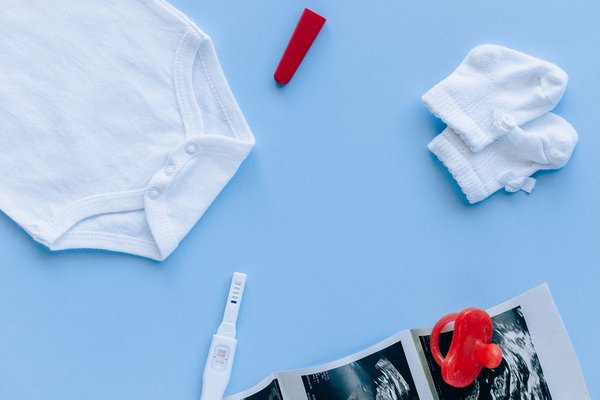
A first baby can make a registry feel like a test you have not studied for. Stores present hundreds of “must-haves,” while experienced parents often use the same small group of items every day. A better newborn registry checklist focuses on safe sleep, feeding, diapering, transport, clothing and a few comfort tools, then leaves room to buy more after you learn what your baby actually prefers.
For first-time parents, buying less but better also makes gifts more useful. Register for products you can use immediately and choose items that grow with your baby where practical.
Start With a Safe Place to Sleep
Choose a crib, bassinet, bedside sleeper or play yard intended for infant sleep and compliant with current U.S. safety requirements. Use the mattress supplied or approved for that product and a properly fitted sheet.
Keep the sleep space bare. Pillows, loose blankets, stuffed animals, crib bumpers, sleep positioners and weighted swaddles do not belong in an infant sleep area. Babies should be placed on their backs on a firm, flat sleep surface. A practical registry needs the sleep space plus two or three fitted sheets, not a large decorative bedding set.
Build a Simple Diapering Station
Diapering products are reliable baby shower registry choices because they are used constantly. Register for a small supply of newborn diapers and more size 1 diapers rather than buying months of one size. Babies grow at different rates, and some move out of newborn sizing quickly.
Add fragrance-free wipes, diaper cream, a washable changing pad and a lidded trash can or diaper pail if wanted. Keep diapers, wipes and clean clothes within reach so you never have to leave a baby unattended on an elevated surface.
Choose Feeding Gear for Flexibility
Your baby registry essentials should support more than one possible feeding routine. Even parents planning to breastfeed may appreciate a few bottles, while formula-feeding families do not need twenty bottles before knowing which nipple style their baby accepts.
For bottle feeding
Start with four to six bottles, several slow-flow nipples and a bottle brush or dishwasher basket. Bottles and feeding parts need to be kept clean. If you use powdered formula, follow preparation directions carefully, measure water before powder and never warm a bottle in a microwave because uneven heating can create hot spots.
For breastfeeding or pumping
Consider nursing pads, milk-storage containers or bags and a nursing pillow if useful. A breast pump may be covered through health insurance, so check your plan before adding an expensive pump to the registry.
Register for Clothing You Will Actually Use
When deciding what to buy for a newborn, prioritize easy changes over elaborate outfits. Six to eight zip-up sleepers, several bodysuits, socks and one or two weather-appropriate layers are usually more useful than a drawer full of special-occasion clothes.
Include some 0–3 month and 3–6 month clothing rather than registering only for newborn size. Choose machine-washable fabrics and simple fastenings. Bulky coats and thick layers should not be placed under a car-seat harness.
Make the Car Seat a Non-Negotiable Purchase
A properly fitted rear-facing car seat is one of the few items you need before leaving the hospital by car. You can choose a rear-facing infant carrier or a convertible seat rated for newborn use. The best choice is the seat that fits your child, your vehicle and your ability to install it correctly.
NHTSA recommends keeping children rear-facing as long as possible, until they reach the rear-facing height or weight limit set by the manufacturer. Read both the car-seat and vehicle manuals. If installation is uncertain, use a certified child passenger safety inspection service rather than adding unapproved aftermarket padding.
Add One Practical Travel Setup
For many families, one stroller and one baby carrier cover most everyday outings. A stroller compatible with your infant car seat can simplify early appointments, while a soft structured carrier can help with short walks and hands-free tasks.
Check minimum weight and positioning requirements before using a carrier. Choose travel gear around your real routine instead of registering for several products that do the same job.
Keep Bath and Health Supplies Basic
A small infant tub or supportive bath insert, two or three soft towels, washcloths and a gentle cleanser are enough to start. Newborns do not need a shelf of skincare products.
For the health kit, add a digital thermometer, nasal aspirator, saline drops, baby nail file or clippers and a medicine syringe for future use. Ask your pediatrician before giving medication to a newborn.
Items You Can Usually Skip at First
A curated registry is also defined by what it leaves out. You can usually wait on large toy collections, multiple swings or bouncers, specialized food-making machines, shoes for a non-walking newborn and large quantities of one bottle or pacifier style.
Be especially cautious with products marketed for sleep. Loungers, swings and other seated or inclined products are not substitutes for a crib, bassinet or play yard. If your baby falls asleep somewhere not intended for safe sleep, move them to a firm, flat approved sleep surface.
A Practical Registry Strategy
Think in three layers: need before birth, useful in the first three months and likely useful later in the first year. Put the car seat, safe sleep space, diapers, basic clothing and feeding supplies in the first group. Put the stroller, carrier and larger clothing sizes in the second. High chair, feeding utensils and older-baby toys can wait.
This approach makes the registry easier for gift-givers too. Related guides worth reading include newborn sleep safety, choosing an infant car seat and bottle-feeding basics.
Frequently Asked Questions
How many newborn diapers should I put on the registry?
Start with a modest supply rather than a huge stockpile. Babies outgrow newborn sizes at different speeds, so include size 1 diapers as well and keep receipts where possible.
Do I need both a bassinet and a crib?
No. Either can work if it is an approved infant sleep product used according to its instructions. Some parents like a bassinet beside the bed early on, while a crib may cover a longer period.
How many bottles should a first-time parent buy?
Four to six is a sensible starting point for many families. Babies can be particular about nipples and bottle shapes, so avoid buying a large set until you know what works.
What should I buy new rather than secondhand?
Be especially careful with car seats and sleep products. Verify model details, recalls, instructions, condition and product history. A used car seat with an unknown crash history should not be relied on.
A Smaller Registry Can Be a Better Registry
The most useful newborn registry checklist is not the longest one. Start with safe sleep, a correctly fitted car seat, feeding basics, diapers, practical clothing and simple health supplies. Add convenience products only when they match your home and routine. That gives first-time parents what they need for the early weeks without filling the house with expensive gear the baby may never use.